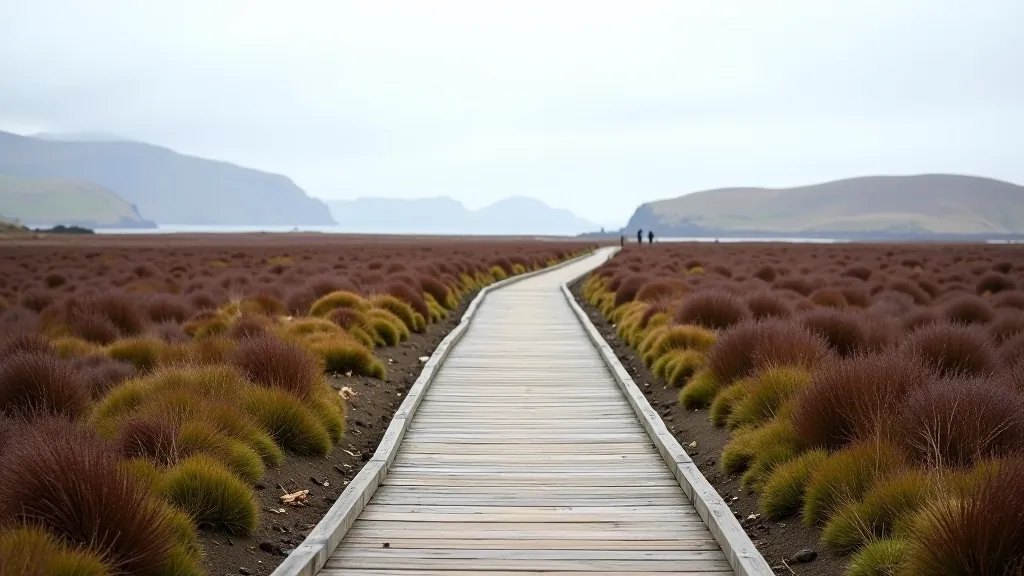
Ballycroy National Park Boardwalks — The Easiest Route
A completely flat, fully accessible boardwalk through protected bog. No stairs, no elevation change, no surprises. Perfect if you want a genuine walk without physical challenge.
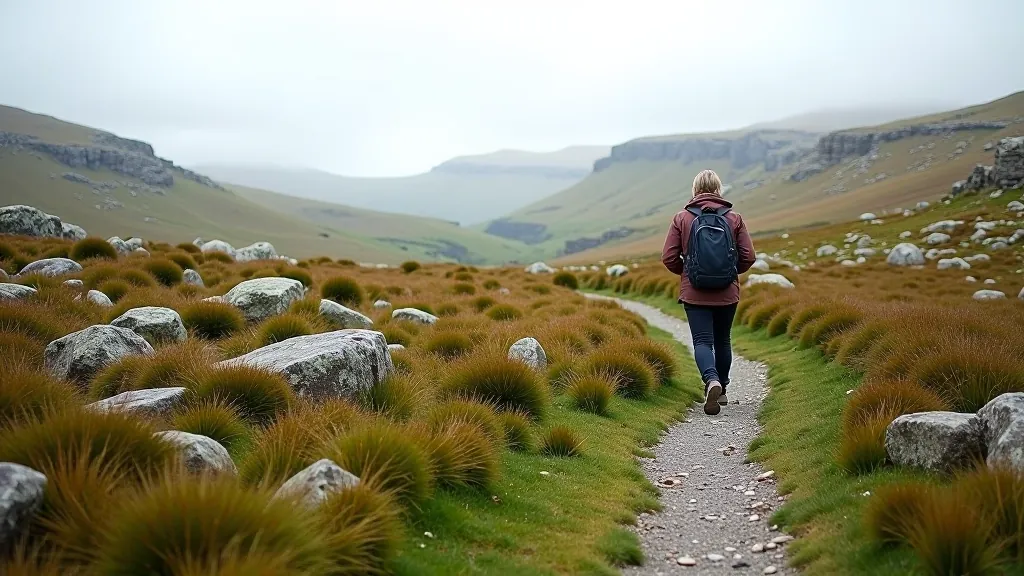
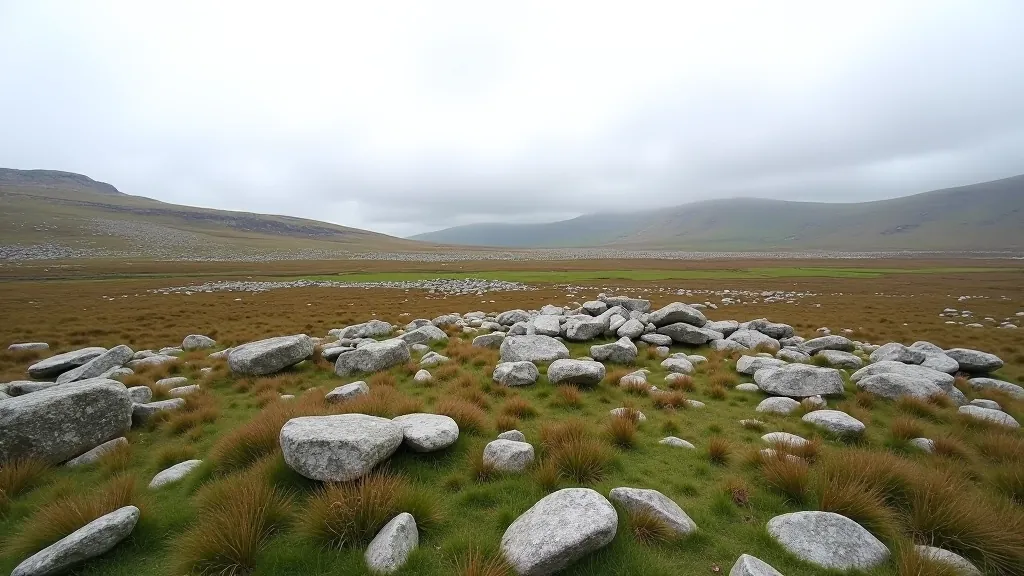
The Burren isn't like other Irish landscapes. You won't find rolling green hills here. Instead, you're walking across a vast limestone plateau that looks almost lunar — weathered grey rocks, deep fissures called grikes, and surprisingly, incredibly diverse plant life thriving in this harsh terrain.
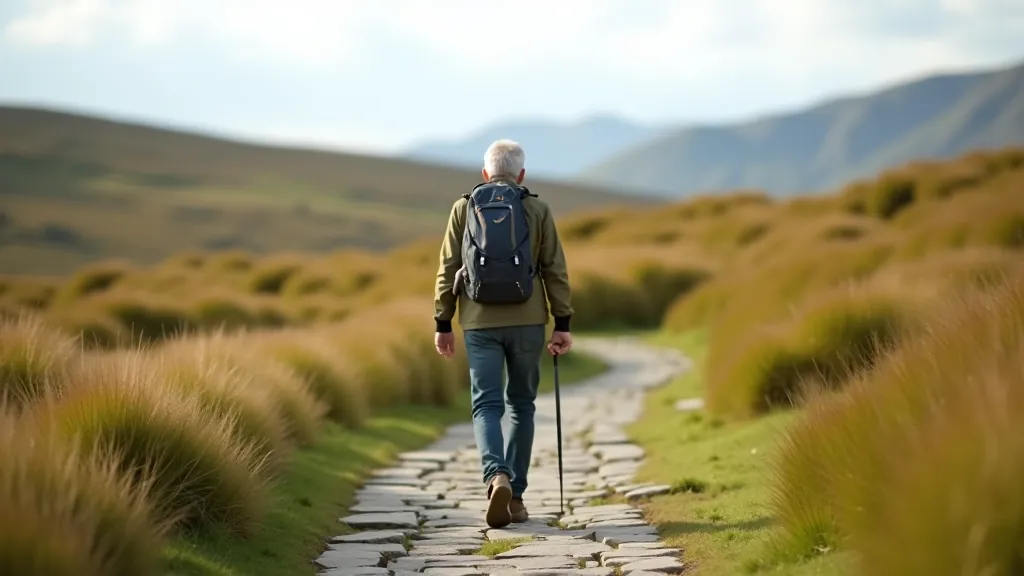
The marked loop starts at the Burren Centre car park and follows well-maintained compacted stone paths. It's mostly level, which makes it perfect if you want something more interesting than a flat boardwalk but don't need serious elevation gain. Most people complete it in about 90 minutes at a relaxed pace.
What you're walking on is karst limestone — rock that formed from ancient coral reefs and sea creatures 320 million years ago. When the climate changed, rainwater dissolved the softer parts, leaving behind the hard, angular formations you see today. It's dramatic and honest landscape. No softness, no hiding.
The deep cracks (grikes) between the rocks collect soil and moisture, creating perfect microhabitats for plants. You'll notice alpine species growing beside Mediterranean plants, all coexisting in pockets of earth. It's genuinely unusual. Plants from different climate zones have thrived here for thousands of years because of those protected crevices.
"The Burren is a place where you can see the earth's bones. There's no disguising what's underneath — it's all limestone, all the time."
Local geology guide
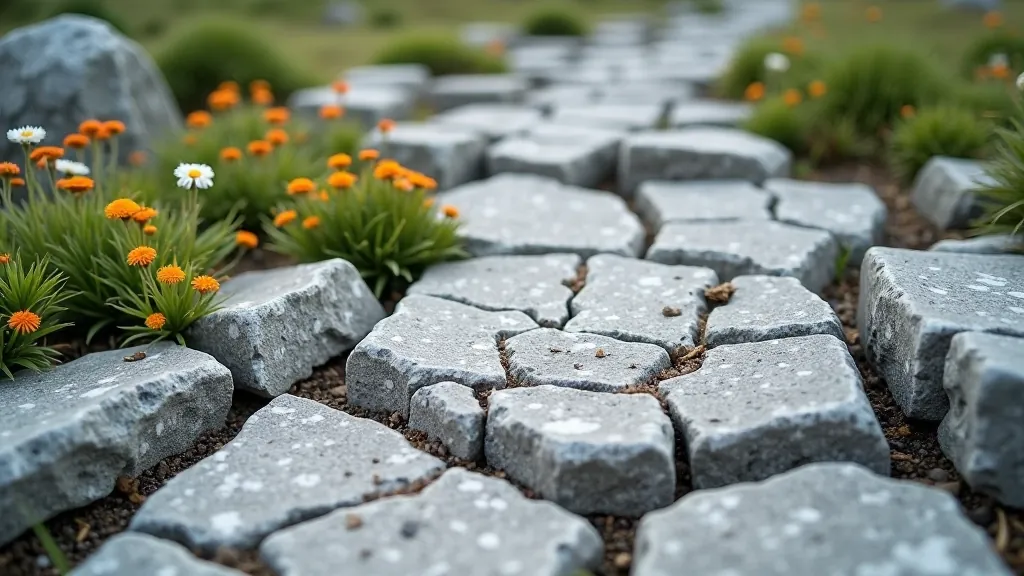
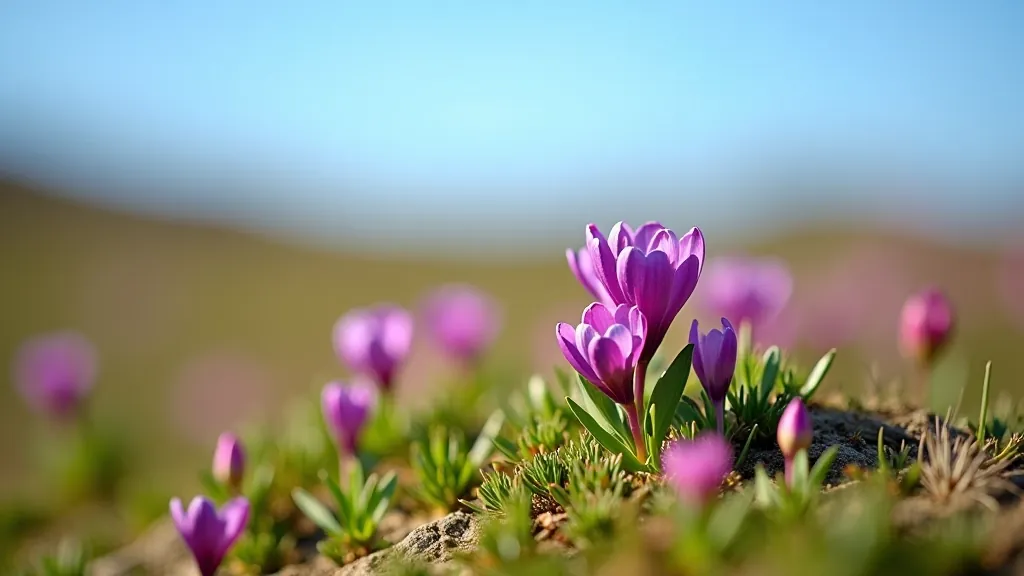
May and early June are when the Burren really shows off. The loop becomes a garden. You're walking past bloody cranesbill, mountain avens, dense-flowered orchids, and limestone bedstraw — plants you won't find together anywhere else in Ireland. Some species here are found nowhere else on earth. It's that special.
Even if you're not a serious botanist, you'll notice something's different. The colors are concentrated, vivid. Reds and purples pop against the grey stone. The scent is strong and varied — not just one flower smell, but layers of it. Bring a camera. You'll want photos.
This guide is informational only and describes conditions as we've experienced them. Weather, trail maintenance, and accessibility can change. Always check current conditions with the Burren Centre before heading out. Bring proper footwear — the stone is uneven and can be slippery when wet. Stay on marked paths to protect the delicate plant life and to avoid getting lost on the plateau.
The path is well-marked with painted arrows and cairns. You won't get lost. The surface is compacted limestone — stable and reasonably level, but it's not smooth. Wear shoes with good grip. Hiking boots are ideal, but sturdy trainers work if your ankles are strong. The stone can twist an ankle if you're not careful.
There's no shade on the loop. In sunny weather, you'll feel exposed. Bring a hat and sunscreen, even in spring. Bring water too — at least 1.5 liters. The Burren Centre has a café if you want to grab something afterward, but there's nothing along the route itself.
Parking is at the Burren Centre, which is well-signposted from Corofin village. There's a small entrance fee to access the trail, though it's reasonable. The visitor center has toilets, information displays, and staff who can answer questions about specific plants or geology if you're curious.
Late spring (May–June) is peak season for wildflowers, but the loop is walkable year-round. Summer brings more people and consistent weather — though it can get warm with no shade. Autumn is quieter and beautiful, but fewer flowers. Winter's an option if the weather's decent, though the stone gets icy in frost.
We'd recommend May or early June. You'll see the most plant diversity, the weather's usually decent, and there's genuine color everywhere. Plus, it's not yet peak tourist season, so you won't feel crowded.
Weekday visits are noticeably quieter than weekends. If you prefer a more contemplative experience, go Tuesday through Thursday. You'll have stretches of the loop where you're completely alone with the landscape.